Category: BLOG

  • The Semiconductor Manufacturing Training Through Virtualization

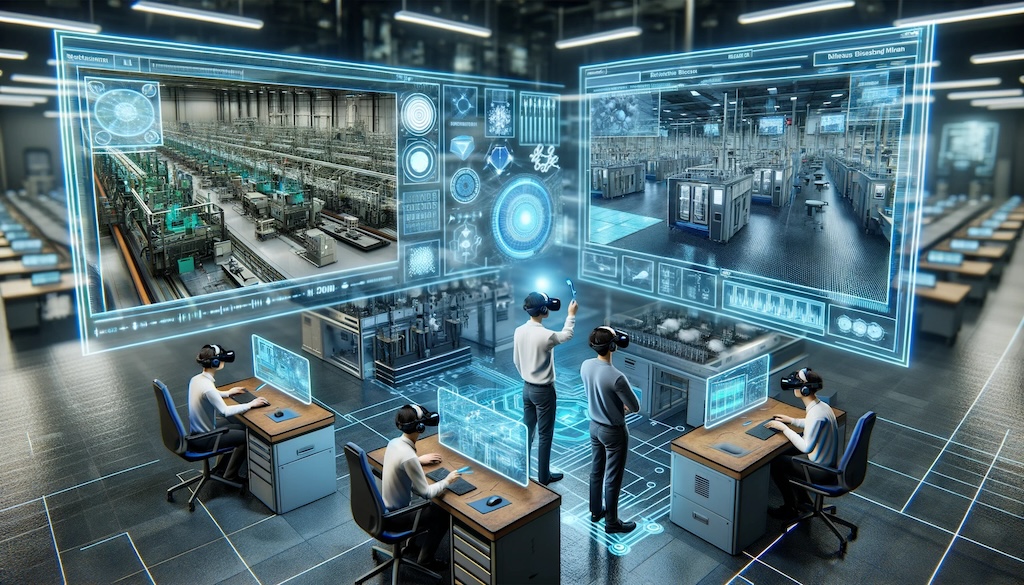
    Image Generated Using DALL-E


    Semiconductor And Virtualization

    In the ever-evolving landscape of semiconductor manufacturing, staying ahead of technological advancements and maintaining a highly skilled workforce is critical for success. While effective, traditional training methods often have significant costs, safety concerns, and accessibility limitations. Enter virtualization – a transformative approach that has revolutionized how the industry and academia train and educate individuals in the semiconductor industry.

    Virtualization leverages advanced technologies to create immersive, interactive, and highly realistic simulations of semiconductor manufacturing processes. Doing so offers many benefits that traditional methods cannot match.

    Application Of Virtualization In Semiconductor

    By leveraging advanced technology to create immersive and interactive environments, virtualization offers unparalleled learning and skill development opportunities. This innovative approach addresses many challenges associated with traditional training methods, providing a safer, more cost-effective, and flexible alternative.

    As the semiconductor industry advances rapidly, the need for up-to-date and comprehensive training programs becomes increasingly critical. Virtualization, with its inherent adaptability, meets this demand by enabling efficient, scalable, and highly effective training solutions.

    Below are some key applications of virtualization in semiconductor training, highlighting how it enhances the learning experience and prepares trainees for real-world scenarios:

    ApplicationDetails
    Process SimulationTrainees can experience and optimize various manufacturing processes in a risk-free virtual environment.
    Equipment Operation TrainingVirtual models of complex machinery help trainees learn how to operate and troubleshoot equipment effectively.
    Cleanroom ProtocolsSimulating cleanroom conditions allows trainees to practice maintaining contamination-free environments.
    Data Analysis And VisualizationVirtual tools teach trainees how to interpret and act on process data.
    Quality ControlVirtual environments replicate quality control scenarios, enabling trainees to identify defects and implement quality assurance measures.
    Design And Fabrication TechniquesVirtual platforms provide detailed simulations of design and fabrication techniques, enabling learners to understand and implement advanced methods.
    Supply Chain ManagementVirtual training includes modules on managing supply chains, understanding logistics, and optimizing the flow of materials in semiconductor manufacturing.
    Educational Courses And CertificationsVirtual platforms offer comprehensive courses and certification programs, ensuring learners are up-to-date with the latest industry standards.
    Collaborative ProjectsStudents and professionals can work together on virtual projects, simulating real-world collaboration and problem-solving scenarios.
    Virtual Reality ClassroomsImmersive virtual reality classrooms enhance the learning experience by providing interactive and engaging educational content.
    Remote Laboratory AccessVirtualization allows for remote access to laboratory experiments and equipment, enabling students to conduct experiments and gather data remotely.
    Interactive Tutorials And WorkshopsVirtual environments host interactive tutorials and workshops, allowing learners to gain practical skills through hands-on activities.
    Performance Tracking and AssessmentVirtual platforms track learner performance, provide detailed analytics, and offer personalized feedback to help improve skills and knowledge.

    As illustrated, virtualization’s applications in semiconductor training are diverse and impactful. From simulating complex manufacturing processes to facilitating remote learning and collaboration, virtualization empowers learners to acquire and refine critical skills in a controlled, realistic environment.

    This approach enhances the quality of education and ensures that the semiconductor workforce is well-prepared to meet the demands of a rapidly evolving industry. By embracing virtualization, semiconductor manufacturers can cultivate a highly-skilled, knowledgeable, and adaptable workforce ready to drive innovation and excellence.


    Picture By Chetan Arvind Patil

    Cost-Effectiveness And Scalability

    One of virtualization’s most compelling advantages is its cost-effectiveness. Establishing and maintaining physical training facilities with state-of-the-art equipment is a significant financial burden. Virtual labs, on the other hand, require minimal physical resources, reducing overhead costs substantially. Furthermore, these virtual environments are highly scalable, allowing for the simultaneous training of numerous individuals without additional infrastructure.

    Virtual environments are not just interactive, they are designed to provide trainees with a hands-on experience that is as close to real-world as possible. These environments can simulate everything from lithography and etching to cleanroom protocols and equipment operation. The immediate feedback provided in these virtual settings is a testament to the efficiency of the learning process, helping trainees understand and correct their mistakes promptly.

    Advantages Of Virtualization In Semiconductor

    The semiconductor industry is highly dynamic, with continuous technological advancements necessitating equally progressive training methods. Virtualization is a pivotal tool, offering significant advantages over traditional training approaches.

    Virtualization, with its realistic, interactive, and risk-free virtual environments, offers comprehensive and efficient training for semiconductor professionals. This modern approach addresses several critical challenges, ensuring trainees receive the highest quality education. Importantly, virtualization also minimizes costs and risks, providing a secure financial aspect to professionals’ training.

    Below are some of the key advantages of using virtualization in semiconductor training:

    AdvantageDetails
    Cost-EffectivenessResource Optimization: Virtual labs reduce the need for physical resources and equipment, which are often expensive and difficult to maintain.
    Scalability: Multiple students can access virtual environments simultaneously, allowing large-scale training programs without additional physical infrastructure.
    Safety And Risk ReductionEnhanced Safety: Virtual environments provide a secure learning space by eliminating the risks associated with handling hazardous materials or operating complex machinery. This safety feature instills confidence in trainees, allowing them to learn and experiment without fear.
    Error Tolerance: Mistakes made in virtual environments do not have real-world consequences, allowing trainees to learn from their errors without risk.
    Accessibility and FlexibilityRemote Learning: Virtualization enables remote training, allowing students and professionals worldwide to access the same high-quality educational resources.
    Flexible Schedules: Learners can access training modules conveniently, accommodating different time zones and personal schedules.
    Enhanced Learning ExperienceInteractive Simulations: Virtual labs can include interactive simulations that enhance understanding by providing hands-on experience with semiconductor manufacturing processes.
    Real-Time Feedback: Instant feedback in virtual environments helps learners understand their mistakes and correct them promptly.
    Up-To-Date TrainingRapid Updates: Virtual training programs can be quickly updated to reflect the latest advancements and technologies in semiconductor manufacturing.
    Customized Content: Training modules can be tailored to specific needs, ensuring learners have relevant and current knowledge.
    Collaboration And Skill DevelopmentCollaborative Platforms: Virtual environments can facilitate collaboration among students, researchers, and professionals, promoting the exchange of ideas and best practices.
    Skill Development: Virtual training emphasizes critical thinking, problem-solving, and technical skills essential for semiconductor manufacturing.

    As demonstrated, virtualization’s advantages in semiconductor training are extensive and transformative. By leveraging virtualization, the semiconductor industry can overcome many of the limitations associated with traditional training methods.

    This innovative approach enhances the learning experience and ensures that trainees are well-prepared for the challenges and opportunities of a rapidly evolving field.

    In the long term, embracing virtualization is essential for cultivating a skilled, knowledgeable, and adaptable workforce capable of driving the semiconductor industry forward.


  • The Case For Asian Semiconductor Corridor

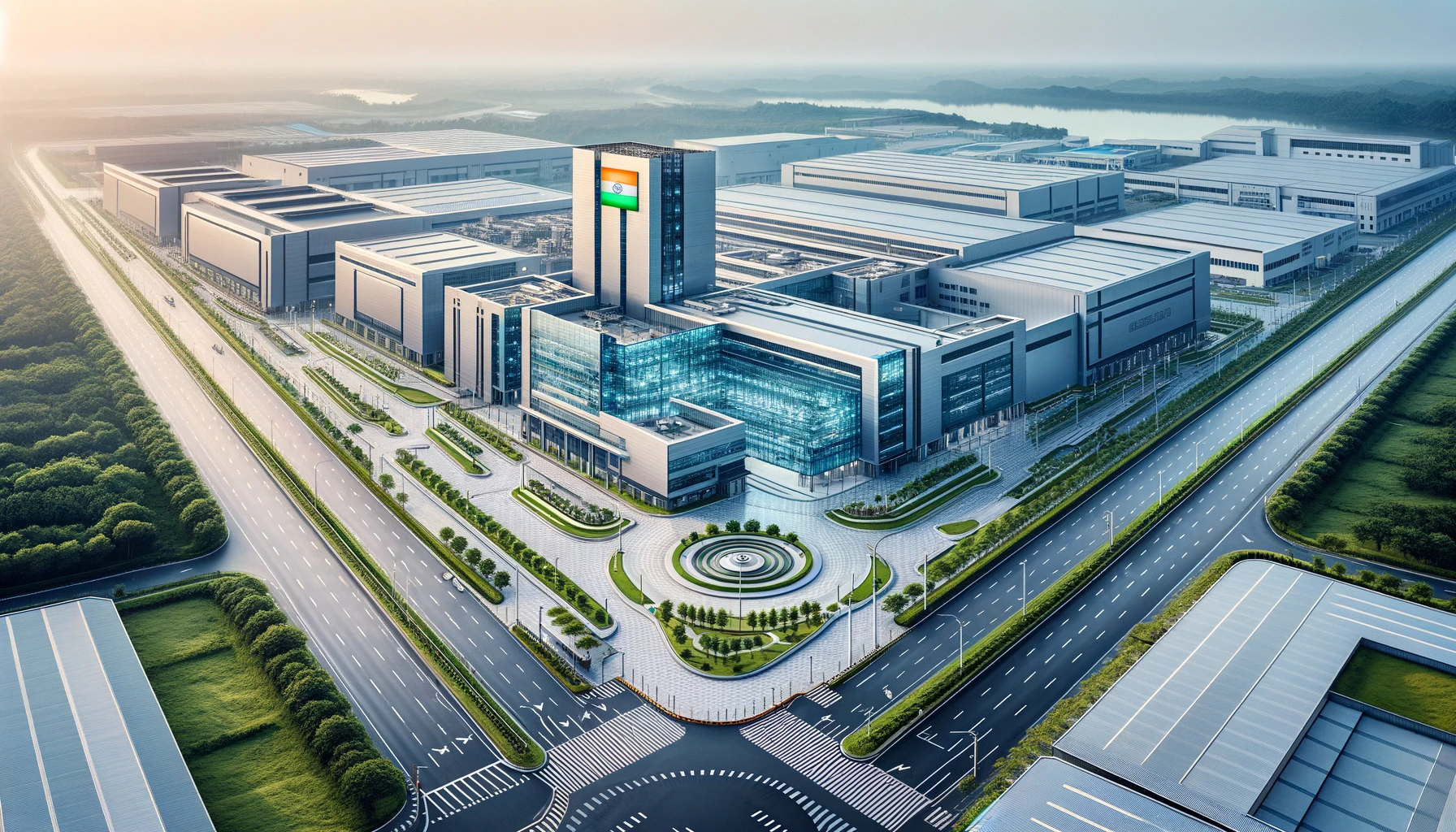
    Image Generated Using DALL-E


    What Is A Semiconductor Corridor

    A Semiconductor Corridor refers to a strategic network of regions and countries collaborating closely to enhance and optimize the semiconductor supply chain.

    This corridor involves interconnected semiconductor manufacturing hubs, research, development, and logistics to create a more resilient and efficient semiconductor production ecosystem.

    Key Components Of A Semiconductor Corridor:

    By leveraging advanced manufacturing, fostering research and development, ensuring efficient supply chain integration, developing a skilled talent pool, investing in infrastructure, and implementing supportive policies, any given Semiconductor Corridor is a strategic move that aims to revolutionize the industry and secure its future for the long term.

    The critical components of a Semiconductor Corridor collectively create a robust framework for advancing the global semiconductor industry. Thus, by Harnessing the specialized capabilities of different regions, such a corridor enhances technological innovation and supply chain resilience and drives economic growth and workforce development.

    ComponentDescription
    Manufacturing HubsRegions within the corridor that specialize in semiconductor fabrication, assembly, testing, and packaging. These hubs leverage advanced manufacturing technologies to produce various types of semiconductor devices
    Research And Development CentersInstitutions and facilities dedicated to the research and development of new semiconductor technologies. It includes work on advanced materials, chip designs, and innovative manufacturing processes
    Supply Chain IntegrationA streamlined and well-coordinated supply chain that ensures the efficient flow of raw materials, components, and finished products. This integration reduces delays, lowers costs, and mitigates risks associated with supply chain disruptions
    Talent PoolA corridor that fosters the development of skilled professionals in semiconductor technology through education, training, and workforce development programs
    Investment and InfrastructureSignificant investments in infrastructure, including state-of-the-art manufacturing facilities, research labs, and transportation networks, to support the semiconductor industry
    Regulatory And Policy SupportGovernment policies and regulations that encourage investment, innovation, and collaboration within the semiconductor sector. This includes tax incentives, research grants, and trade agreements


    Picture By Chetan Arvind Patil

    The Rationale For An Asian Semiconductor Corridor:

    The concept of an Asian Semiconductor Corridor has emerged as a strategic response to these challenges. By leveraging the unique strengths and capabilities of Asian countries, this corridor can create a robust and integrated ecosystem that can drive innovation, enhance supply chain resilience, and foster economic growth.

    The COVID-19 pandemic highlighted significant vulnerabilities in the semiconductor supply chain, demonstrating the need for a more resilient and diversified manufacturing base. An integrated corridor across Asia can mitigate these risks by ensuring a steady and reliable supply of semiconductors. 

    Moreover, Asia is home to some of the world’s leading semiconductor companies. The corridor can accelerate technological innovation in advanced chip design, fabrication, and packaging technologies by fostering collaboration among these entities.

    Key Players In The Asian Semiconductor Corridor:

    The success of the Asian Semiconductor Corridor hinges on the collaboration and contributions of key players within the region. Each country brings unique strengths and capabilities that enhance the corridor’s overall effectiveness and resilience. 

    Taiwan, South Korea, China, Japan, Singapore, Malaysia, Vietnam, and India each play critical roles, from advanced manufacturing and cutting-edge research to cost-effective assembly and strategic policy support.

    Understanding the distinct contributions of these countries provides insight into how the Asian Semiconductor Corridor can revolutionize the global semiconductor industry.

    CountryRole and Contribution
    TaiwanAs the world’s leading semiconductor manufacturer, Taiwan, with TSMC at its helm, plays a crucial role. Its expertise in advanced node fabrication is indispensable to the corridor
    South KoreaWith giants like Samsung and SK Hynix, South Korea contributes significantly in memory chips and logic devices, making it a vital player
    ChinaDespite facing trade restrictions, China continues to invest heavily in its semiconductor capabilities, with SMIC leading the charge
    JapanRenowned for its materials and equipment, Japan’s contribution is critical in providing the necessary tools and technologies for semiconductor manufacturing
    SingaporeA strategic hub for semiconductor manufacturing, Singapore’s established infrastructure and skilled workforce are key assets
    MalaysiaThe country’s well-established semiconductor infrastructure and industry experience make it a crucial player in this phase of the semiconductor supply chain
    VietnamSimilar to Malaysia, Vietnam offers cost-effective solutions for assembly and testing
    IndiaWith its growing focus on semiconductor design and plans to establish new fabs, India is an important player in the corridor

    In summary, the key players within the Asian Semiconductor Corridor form a synergistic network that drives innovation, efficiency, and growth in the semiconductor industry. By leveraging the diverse expertise and resources of Taiwan, South Korea, China, Japan, Singapore, Malaysia, Vietnam, and India, the corridor is well-positioned to address current challenges and future demands.
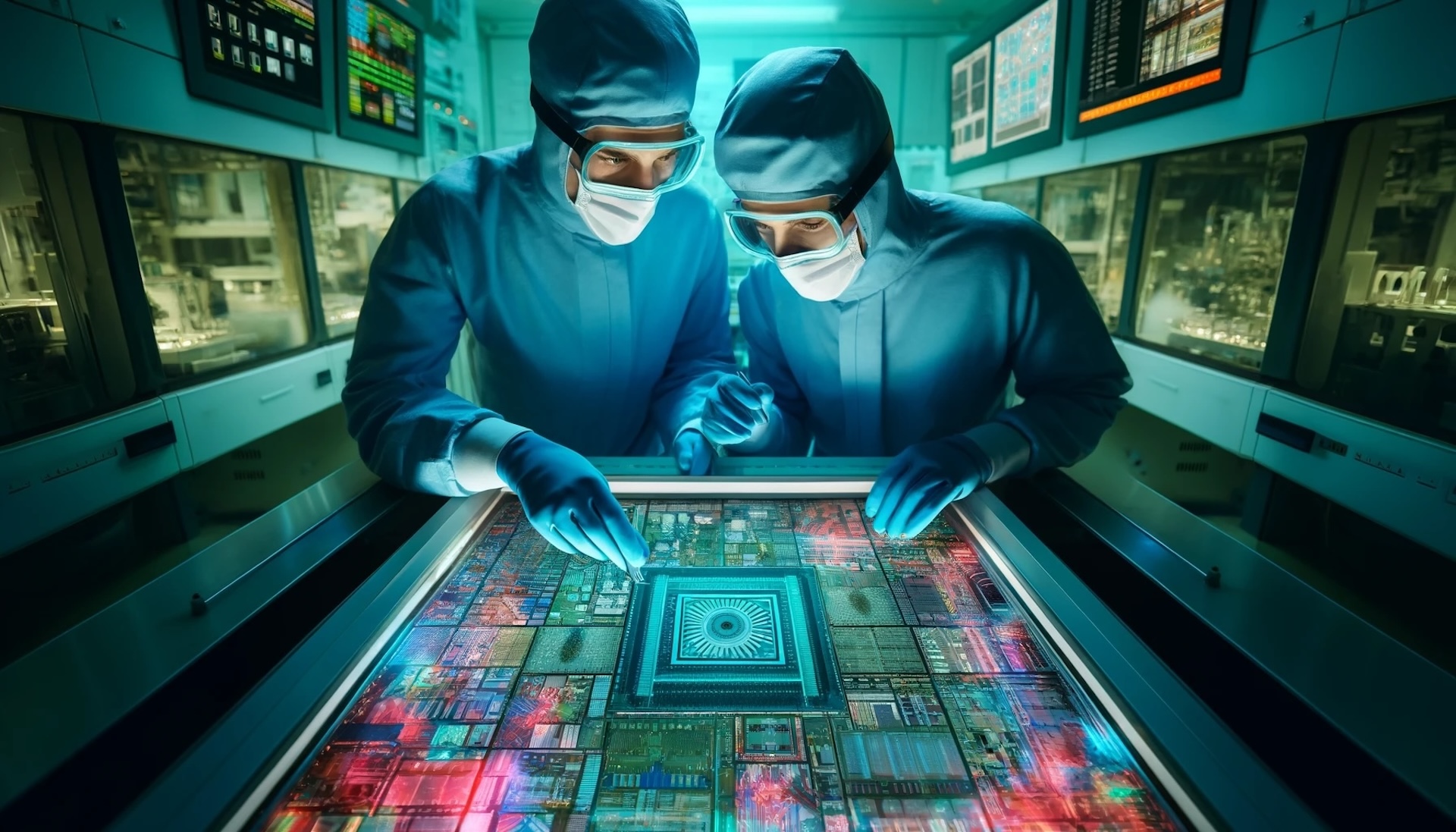
    This collaborative effort strengthens the regional semiconductor ecosystem and enhances the global supply chain’s resilience and stability. As the corridor continues to develop, the combined strengths of these key players will be instrumental in shaping the future of semiconductor technology.

    Take Away:

    Establishing an Asian Semiconductor Corridor can bring a strategic initiative to harness the collective strengths of various Asian countries in the semiconductor industry. As global demand for semiconductors continues to rise, driven by technological advancements and increased digitalization, the need for a resilient and efficient supply chain has never been more critical. The Asian Semiconductor Corridor offers a comprehensive solution to address these challenges, fostering collaboration, innovation, and economic growth across the region.

    In summary, the Asian Semiconductor Corridor can be a transformative initiative that promises to reshape the semiconductor landscape. It highlights the power of regional cooperation in driving technological advancements, ensuring supply chain resilience, and fostering economic growth. As the semiconductor industry continues to evolve, the corridor stands as a testament to the participating nations’ strategic foresight and collaborative spirit, paving the way for a brighter and more innovative future.


  • The Economic Edge Of Exploring The Power Of Semiconductors With Seminometrics

    Image Generated Using DALL-E


    Semiconductor And Economy:

    The semiconductor industry is a cornerstone, powering everything from smartphones to supercomputers. As this industry further grows, understanding the economic dimensions of it becomes increasingly critical. 

    To capture this essence, introducing Seminometrics, an interdisciplinary field that combines the intricate technology of semiconductors with the analytical precision of econometrics.

    What is Seminometrics:

    Seminometrics is the fusion of semiconductor technology and econometrics. While semiconductors are the essential components in electronic devices, econometrics involves the application of statistical and mathematical methods to economic data. This innovative approach provides a comprehensive lens to examine and interpret the economic impact of semiconductors, delivering significant benefits for researchers, policymakers, and industry leaders by offering valuable insights.

    Semiconductor Industry: The sector focuses on designing and manufacturing semiconductor devices like chips and transistors, essential for electronic devices

    Econometrics: The application of statistical and mathematical methods to economic data to analyze and forecast economic trends

    Seminometrics: An interdisciplinary field combining semiconductor technology with econometric analysis to understand and optimize the economic impact of the semiconductor industry

    By combining these fields, Seminometrics aims to provide a deeper understanding of the economic dynamics driving the semiconductor industry. This includes analyzing market trends, investment strategies, production efficiencies, and the global economic impact of semiconductor advancements.

    Why Understand The Economics Of Semiconductors:

    Understanding the economics of semiconductors is crucial for several reasons. It drives innovation and economic growth by supporting technological advancements. Analyzing financial trends and potential returns makes informed investment decisions possible. Companies can better navigate market dynamics and consumer demands, while governments can craft effective regulations and trade policies. 

    Conversely, robust supply chain management ensures efficient production and risk management. Understanding labor market trends guides workforce development, and sustainability is achieved by balancing economic growth with environmental and social responsibility. By capturing all these factors, stakeholders can make informed decisions that foster a robust and sustainable semiconductor industry.


    Picture By Chetan Arvind Patil

    How Seminometrics Integrates Across Different Part Of Semiconductor Supply Chain:

    Seminometrics, as an interdisciplinary field, integrates economic analysis across various segments of the semiconductor supply chain, providing a comprehensive understanding of the industry’s complexities and dynamics. By merging semiconductor technology with econometric methods, Seminometrics offers valuable insights into multiple critical areas:

    CategoryDescription
    Market AnalysisThe semiconductor market is highly dynamic, characterized by rapid technological advancements and shifting consumer demands. Seminometrics helps stakeholders understand these trends, enabling them to make informed decisions about product development, pricing strategies, and market positioning.
    Investment And FinanceInvestment in the semiconductor industry is crucial for innovation and growth. Seminometrics provides tools to analyze investment patterns, assess financial performance, and predict future financial trends, guiding investors and companies in optimizing their financial strategies.
    Production And Supply ChainEfficient production and robust supply chains are vital for the semiconductor industry. Seminometrics examines cost structures, economies of scale, and supply chain dynamics, helping companies improve production processes and manage supply chain risks effectively.
    Policy ImpactGovernment policies significantly influence the semiconductor industry, from research funding to trade regulations. Seminometrics evaluates the impact of these policies, aiding policymakers in crafting regulations that foster industry growth while balancing economic and social goals.
    Innovation And RnDResearch and development are the lifeblood of the semiconductor industry. Seminometrics measures the returns on R&D investments and their impact on industry growth, helping companies allocate resources efficiently and drive innovation.
    Labor EconomicsThe semiconductor industry relies on a skilled workforce. Seminometrics analyzes employment trends, wage dynamics, and the impact of automation, providing insights into workforce development and labor market policies.
    Global TradeThe semiconductor industry is global, with complex trade relationships. Seminometrics investigates trade flows, comparative advantages, and the impact of trade policies, offering insights into global market dynamics and trade strategy.
    Environmental And Social ImpactAs sustainability becomes a priority, Seminometrics assesses the economic impact of environmental regulations and sustainability initiatives in the semiconductor industry, balancing economic growth with social responsibility.

    Integrating Seminometrics across the semiconductor supply chain gives stakeholders a holistic view of market trends, investment opportunities, production efficiencies, and global trade dynamics. This interdisciplinary approach enables informed decision-making, drives innovation, and promotes sustainable economic growth.

    Teaching Seminometrics In Universities:

    Introducing Seminometrics as an academic discipline in universities offers students a unique and powerful framework for analyzing and optimizing the economic impact of semiconductor technologies, a skillset that is becoming more and more in demand.

    By integrating principles of semiconductor science with econometric techniques, Seminometrics can equip future professionals with the knowledge and skills needed to drive innovation and sustainable growth in this critical industry.

    Course ComponentDescription
    Introduction To SemiconductorsCover the basics of semiconductor technology, including material science, chip design, and manufacturing processes.
    Principles Of Economics And EconometricsProvide a strong foundation in economics and econometrics, emphasizing data analysis, statistical methods, and economic modeling.
    Market Dynamics And Financial AnalysisFocus on market dynamics and financial analysis specific to the semiconductor industry, using real-world case studies.
    Policy And Global Trade ImpactTeach the impact of government policies, global trade, and international regulations on the semiconductor sector.
    Research And Development In SemiconductorsInstruct on measuring and analyzing returns on R&D investments.
    Practical Applications And Case StudiesUse practical applications and case studies to bridge theory and practice.

    Learning Seminometrics also provides students with a unique interdisciplinary skill set relevant to the modern economy. As future professionals in the semiconductor industry, students will benefit from a deep understanding of the field’s technological and economic aspects. This knowledge will enable them to make informed decisions, drive innovation, and contribute to sustainable economic growth.

    Furthermore, expertise in Seminometrics will position students at the forefront of industry advancements, offering them a competitive edge in their careers and the ability to influence the future direction of semiconductor technology and its economic impact.

    Take Away:

    In summary, Seminometrics provides a robust framework for comprehending and harnessing the economic dynamics within the semiconductor industry. By merging the technological knowledge of semiconductor science with the analytical capabilities of econometrics, this interdisciplinary field offers critical insights that enable informed decision-making, spur innovation, and encourage sustainable economic development.
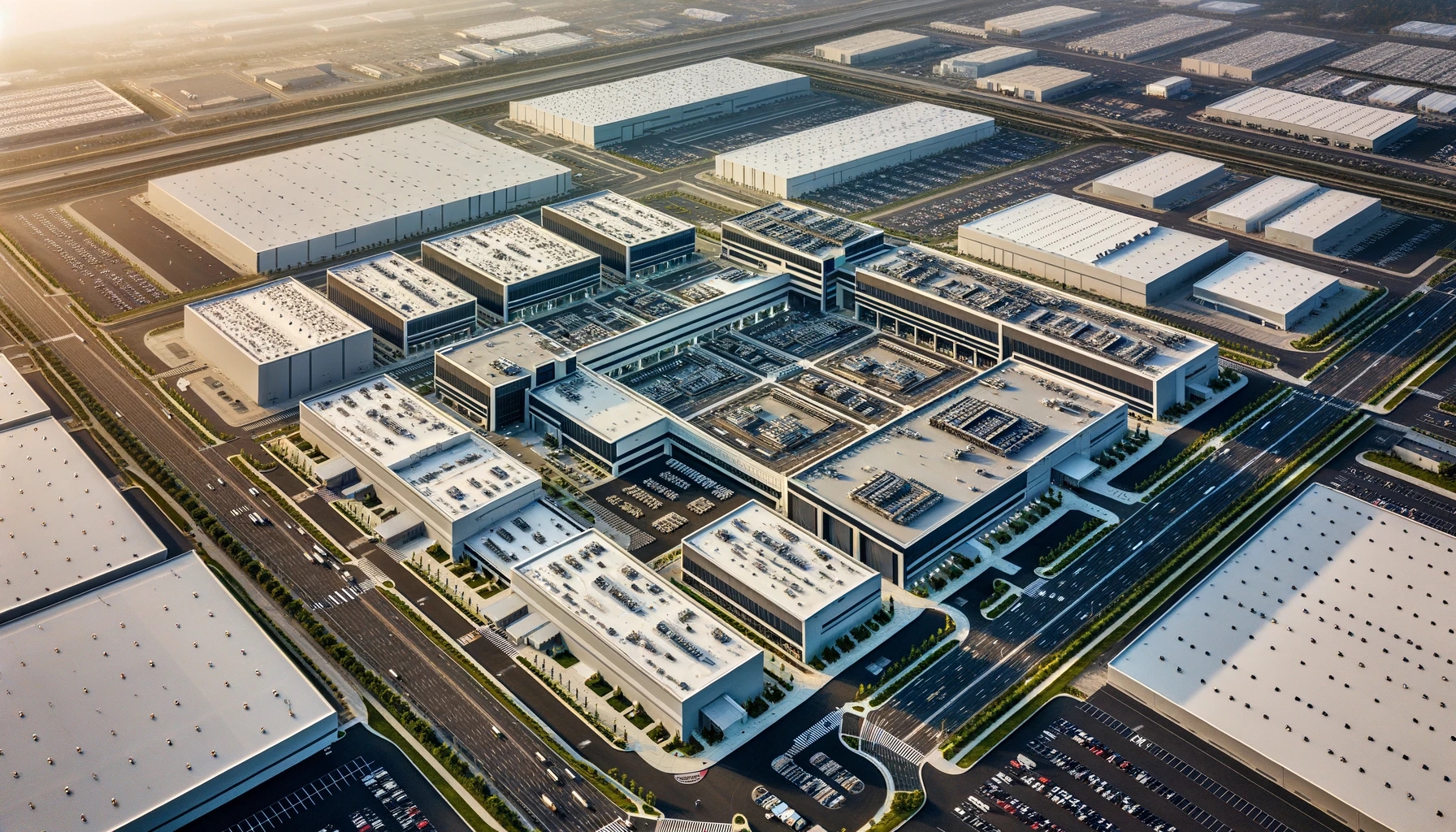
    In the long term, adopting Seminometrics will keep one at the forefront of technological and economic progress in the semiconductor sector.


  • The Semiconductor Surge In India And The Impact On Other Industries

    Image Generated Using DALL-E


    Semiconductor And India

    In recent years, the semiconductor industry has emerged as a cornerstone of modern technology, underpinning advancements in everything from consumer electronics to automotive and healthcare systems. 

    India, recognizing the strategic importance of this sector, has embarked on a significant push to cultivate a robust semiconductor manufacturing base.

    This initiative is about augmenting India’s technological capabilities and securing its position in the global supply chain, which is crucial in a world where technological superiority increasingly dictates economic and strategic dominance. 

    As India accelerates its semiconductor production, understanding the broader impact of this on various domestic industries becomes essential, highlighting the interconnected nature of modern economies and the foundational role semiconductors play within them.

    Semiconductor Incentives And Focus

    The Indian government’s proactive measures, including substantial investments and favorable policies, are pivotal and reassuring in fostering a conducive environment for semiconductor growth. Initiatives such as the $10 billion PLI (Production-Linked Incentive) scheme aim to attract global semiconductor players and build an indigenous ecosystem supporting advanced manufacturing techniques.

    This strategic development is crucial as global industries face recurrent supply chain disruptions, most notably during the COVID-19 pandemic. This underscored the vulnerability of heavy reliance on concentrated semiconductor production hubs like Taiwan and South Korea.

    By establishing local manufacturing capacities, India aims to mitigate these risks and set the stage for transformative effects across multiple sectors, from telecommunications and automotive to renewable energies and beyond.

    The ripple effects of enhancing semiconductor self-sufficiency are vast, warranting a thorough exploration of how this technological pivot reshapes India’s industrial landscape and its implications for future growth and innovation.


    Picture By Chetan Arvind Patil

    Semiconductor Impact On Other Relevant Industries In India

    India’s burgeoning semiconductor industry is poised to impact various sectors, profoundly catalyzing innovation and efficiency improvements. In the automotive industry, for instance, increased local chip production ensures a steady supply of essential components for intelligent vehicles, reducing production delays and fostering advancements in vehicle safety and connectivity.

    For consumer electronics, the growth of India’s semiconductor industry translates to faster production cycles and significant cost reductions. It allows manufacturers to offer competitive pricing in a price-sensitive market, reassuring the industry’s competitiveness. 

    The telecommunications sector benefits from enhanced capabilities in local chip production, which is crucial for supporting the expansive deployment of 5G technology and the development of robust communication networks. Additionally, renewable energy initiatives can leverage advancements in semiconductor technology to improve the efficiency and effectiveness of solar panels and energy storage systems. 

    Overall, the growth of India’s semiconductor industry promises to bolster the technological infrastructure, leading to a more resilient economy and stimulating innovation across diverse industrial landscapes.

    Which Industries In India Will Benefit From India’s Semiconductor Manufacturing Growth

    As India scales up its semiconductor production, it is essential to understand how this foundational technology will influence various domestic industries, transforming everything from automotive to agriculture through enhanced efficiency, innovation, and competitiveness.

    Below is a list of key Indian industries that stand to benefit significantly from scaling up semiconductor production, along with a brief explanation of how they will be transformed.

    IndustryBenefits of Local Semiconductor Manufacturing
    AutomotiveEnhanced supply chain reliability for electronic components, reduced production delays, development of advanced automotive technologies like ADAS and electric vehicles
    Consumer ElectronicsLower production costs due to localized supply chains, faster market responsiveness to consumer demands, increased competitiveness in global markets
    TelecommunicationsSupport for extensive 5G rollout and infrastructure, improved manufacturing of devices like routers and modems, enhanced capabilities for IoT and smart city technologies
    Renewable EnergyAdvanced technologies for solar inverters and energy storage systems, improved grid management through sophisticated semiconductor devices, support for India’s green energy targets and sustainability initiatives
    HealthcareDevelopment of more sophisticated medical devices, enhanced reliability and functionality in healthcare equipment, support for telemedicine and remote health monitoring systems
    Defense And AerospaceImproved supply security for critical electronic components, enhanced capabilities in surveillance, communication, and navigation systems, support for indigenous production of high-tech defense equipment
    Information TechnologyAcceleration in server and data center infrastructure development, enhanced chipsets for high-performance computing applications, support for artificial intelligence and machine learning platforms
    Banking And FinanceImproved security and processing capabilities for financial transactions, enhanced data management and analysis for customer insights, support for fintech innovations like blockchain and cryptocurrencies
    ManufacturingIntegration of IoT and smart factory technologies, enhanced automation and robotics driven by reliable chipsets, greater efficiency and precision in manufacturing processes
    AgricultureAdvancements in smart agriculture technologies, enhanced capabilities for precision farming and resource management, improved IoT devices for soil, weather, and crop monitoring

    Take Away

    As India’s semiconductor manufacturing expands, its impact on various industries will become more evident. This increased local chip production will transform sectors by enhancing supply chain resilience, fostering technological innovations, and promoting economic growth. The benefits of this surge range from more robust and efficient automotive and manufacturing sectors to more innovative and sustainable agricultural and energy practices. 

    The strategic improvement of semiconductor capabilities will also strengthen India’s position in the global technology arena and ensure a future where high-tech industries, innovation, and self-sufficiency support its economy. Understanding and leveraging these effects will be critical for India as it strives to become a technological powerhouse.


  • The Wafer Excursions And Impact On Semiconductor Yield

    Image Generated Using DALL-E


    Yield And Wafer Excursions:

    In the complex world of semiconductor manufacturing, maintaining a high yield – the percentage of functional devices from a batch of wafers – is the ultimate goal. However, various challenges, including wafer excursions, can impede this process.

    These wafer-level deviations from the standard processing environment often impact yield by introducing defects that affect the final product’s performance and reliability. Thus, in addition to several yield-related learnings, it is also crucial to understand wafer excursions and how they correlate to introducing new semiconductor products.

    Premier On Wafer Excursions:

    Wafer excursions refer to any anomalies that occur during the semiconductor manufacturing process, deviating from the controlled conditions expected in production. 

    These can range from several fluctuations in material, mask, fabrication step, equipment, etc. The consequences of these excursions can be severe, creating defective chips that fail to meet the required specifications. Thus, they impact customer satisfaction (from a process point of view) and raise concerns about product quality.

    Type Of Wafer Excursions:

    The key to managing wafer excursions lies in their precise identification and categorization. Each type, with its distinct causes and effects, requires this level of detail. It is through this process that we can ensure the correct preventive measures and responses are implemented.

    There are four main categories of wafer excursions based on their origin and nature.

    Type of ExcursionDescription
    Process ExcursionsDeviations in processing parameters such as temperature, pressure, chemical concentration, or deposition rates. For example, over-etching leading to faulty circuits.
    Equipment-Related ExcursionsFaults or malfunctions in manufacturing equipment like lithography tools, etchers, or deposition systems that lead to inconsistent processing across the wafer.
    Environmental ExcursionsVariations in the cleanroom environment, such as changes in temperature, humidity, or particulate contamination, which can adversely affect the processes.
    Material ExcursionsIssues with the materials used in the process, such as contamination, incorrect mixing, or improper handling of dopants, metals, or gases.

    Understanding these excursions is crucial for setting up effective monitoring systems, developing robust manufacturing protocols, and training personnel to handle and respond to potential deviations promptly.

    With this knowledge, manufacturers can significantly enhance their ability to maintain high yields and produce reliable, high-quality semiconductor products.


    Picture By Chetan Arvind Patil

    Detecting The Wafer Excursions:

    Advanced detection technologies are vital in identifying deviations from standard manufacturing processes early in the production cycle. These technologies enable manufacturers to intervene promptly, correcting issues before they escalate into significant yield losses.

    Here is a comprehensive table outlining the various detection techniques used in semiconductor manufacturing to identify and address wafer excursions:

    Detection MethodTechnology and Application
    Inline DataTools that measure critical dimensions, film thicknesses, and other physical to die level characteristics of wafers during manufacturing. These real-time measurements help in detecting deviations promptly.
    Defect Inspection SystemsUtilize various imaging techniques, such as optical or electron microscopy, to identify physical defects on the wafer surface. Capable of detecting particulate contamination, pattern anomalies, and other defect types.
    Electrical TestingConducted at various stages of the manufacturing process to assess the electrical functionality of circuits. This testing helps identify electrical failures that might indicate underlying physical or process defects.
    Environmental MonitoringSensors continuously monitor the cleanroom environment for particulates, chemical vapors, temperature, and humidity, providing alerts to any conditions that could destabilize the process.

    Integrating advanced detection techniques into semiconductor manufacturing processes is crucial for minimizing the impact of wafer excursions. These technologies enhance the ability to detect and correct deviations quickly and contribute to the overall efficiency and cost-effectiveness of semiconductor manufacturing.

    These detection methods will evolve as technology advances, offering even greater precision and reliability in monitoring manufacturing processes.

    Impact of Wafer Excursions:

    The impacts of excursions are far-reaching, affecting yield and the long-term reliability of semiconductor devices. It is imperative that manufacturers understand these impacts and implement effective strategies to mitigate risks and enhance product quality.

    The table below captures the primary impacts of wafer excursions on semiconductor manufacturing. 

    Impact CategoryDescription
    Yield ReductionSmall deviations in the manufacturing process, especially in critical stages like photolithography, can lead to significant yield losses.
    Reliability IssuesExcursions can introduce latent defects into devices, which may not cause immediate failures but can decrease the devices’ long-term reliability.
    Scrap and ReworkIn severe cases, excursions can necessitate the scrapping of entire batches of wafers or require costly rework to salvage usable components.

    These disruptions can have serious consequences, from reduced yield and reliability to increased costs due to scrap and rework. For semiconductor manufacturers, quickly detecting and effectively responding to wafer excursions is not just a technical necessity. 

    It is a critical business strategy that directly impacts profitability and market competitiveness.

    Preventive, Corrective Actions And Take Aways For Wafer Excursions:

    In the field of semiconductor manufacturing, precision and reliability are of utmost importance. To ensure efficient production, it is essential to implement robust preventive strategies.

    These strategies are designed to minimize the occurrence of wafer excursions by addressing potential issues before they impact the production process. Below is a table outlining the key preventive measures.

    StrategyDescription
    Process Control EnhancementsAdvanced Process Control (APC) systems utilize real-time data from inline metrology to automatically adjust process parameters, ensuring stable and controlled manufacturing conditions.
    Predictive MaintenanceThis approach uses data analytics to predict potential equipment failures before they occur, thereby reducing the risk of equipment-related excursions.
    Improved Material Handling ProtocolsStrict protocols ensure that all materials are handled, stored, and used under controlled conditions to prevent contamination or degradation, maintaining the integrity of the manufacturing process.

    Companies invest heavily in preventive strategies to safeguard the integrity of semiconductor manufacturing processes. These strategies are designed not only to detect and correct wafer excursions but also to prevent their occurrence. By implementing advanced systems and protocols, manufacturers can maintain a high level of process control and material integrity, which are crucial for minimizing disruptions and ensuring consistent product quality.

    To conclude, wafer excursions pose significant challenges in the semiconductor manufacturing, affecting everything from yield to device reliability. Through a comprehensive understanding of the types and impacts of these excursions, coupled with advanced detection techniques and robust preventive strategies, manufacturers can effectively manage and mitigate their effects.

    The proactive management of wafer excursions is not just about enhancing yield, but about ensuring the production of high-quality, reliable semiconductor devices. This holistic management, which is the key to maintaining the operational efficiency and economic viability of semiconductor manufacturing in an increasingly demanding and competitive market, puts the control back in the hands of manufacturers.


  • The Positives And Negatives Of A New Semiconductor FAB And OSAT

    Image Generated Using DALL-E


    Premier On Semiconductor FAB And OSAT

    semiconductor FAB is a production plant where devices such as integrated circuits are manufactured. These facilities are equipped with clean rooms and sophisticated equipment to precisely control environmental conditions, ensuring the high quality and purity required for semiconductor manufacturing.

    Outsourced Semiconductor Assembly and Test (OSAT) companies take over post-fabrication. They cut the manufactured wafers into individual chips, package them, and conduct rigorous testing (in many cases before cut/dicing) to ensure they meet the required specifications. OSATs allow semiconductor companies to focus on the highly specialized chip design process (and fabrication) without bearing the brunt of assembly and testing processes.


    The Need To Invest In Semiconductor FAB And OSAT

    Investing in semiconductor FABs and OSAT facilities is a strategic move for many countries and corporations aiming to bolster their technological infrastructure, economic resilience, and strategic autonomy. 

    As global demand for electronics continues to surge, the need for more integrated circuits rises, thus enhancing the strategic importance of having in-house semiconductor manufacturing and assembly capabilities.


    Picture By Chetan Arvind Patil

    The Positives Of Semiconductor FABs And OSATs

    Investing in semiconductor FABs and OSAT facilities is not just a financial decision but a strategic one that can significantly influence a nation’s or corporation’s technological and economic landscape. 

    The positives of such an investment revolve around enhancing economic activity through job creation and infrastructure development, boosting technological innovation, securing supply chains, and ensuring strategic independence. These benefits are crucial in positioning a country at the forefront of the global technological race.

    AspectDescription
    Economic GrowthEstablishing FABs and OSATs involves significant capital expenditure, leading to job creation and infrastructure development, stimulating local economies.
    Technological LeadershipLocal FABs and OSATs foster innovation in semiconductor technologies, propelling advancements and maintaining a competitive edge in global markets.
    Supply Chain SecurityHaving domestic FABs and OSATs reduces reliance on international suppliers, securing critical technology supply chains against global disruptions.
    Strategic IndependenceDomestic manufacturing of semiconductors ensures a steady supply of crucial components, vital for national security and technological sovereignty.

    Establishing FABs and OSATs can catalyze sustained economic growth and technological leadership. By fostering a self-sufficient and innovative environment, a country can significantly reduce its dependencies, enhance global competitiveness, and ensure a more secure future.

    Moreover, the local development of semiconductor technologies can drive advancements in various high-tech sectors, cementing a country’s position as a technological leader.


    The Negatives Of Semiconductor FABs And OSATs

    Despite their significant advantages, establishing and operating semiconductor FABs and OSATs come with considerable challenges. The high costs of setup and maintenance, coupled with the environmental impact and the cyclic nature of the semiconductor market, pose potential risks.

    Additionally, the geopolitical sensitivities associated with semiconductor supply can lead to vulnerabilities in international relations and trade.

    AspectDescription
    High Initial CostsThe cost of setting up and maintaining semiconductor manufacturing facilities can be prohibitively high, with risks of obsolescence due to rapid technological advances.
    Environmental ImpactSemiconductor production is resource-intensive and generates significant hazardous waste, posing challenges for sustainable operations.
    Economic VolatilityThe semiconductor market is notoriously cyclical, which can lead to financial instability for regions heavily invested in these sectors.
    Geopolitical SensitivityBeing a critical component in numerous applications, semiconductor supply can be disrupted by international tensions and trade policies.

    While the negatives present formidable challenges, they necessitate robust planning and mitigation strategies to manage effectively. The high initial investments should be weighed against long-term economic returns, and environmental impacts require sustainable practices and technologies to operate.

    Furthermore, navigating the cyclical economic patterns and geopolitical landscapes demands adaptive strategies that ensure stability and profitability in the volatile semiconductor market. These considerations are essential for countries and corporations aiming to capitalize on the benefits while minimizing the risks associated with semiconductor manufacturing.


    What The Future Holds

    The decision to establish new semiconductor FABs and OSAT facilities involves weighing significant positives against formidable negatives. At the same time, they promise economic growth, technological advancement, and many other benefits. Conversely, environmental impact, financial volatility, and geopolitical entanglements should also be considered.

    As the global landscape evolves, the strategic calculation for investing in such infrastructure will continue to change, reflecting the dynamic nature of the semiconductor industry. Each country or corporation must carefully assess its capabilities and needs to make informed decisions that align with its long-term strategic goals.

    By embracing innovation, prioritizing sustainability, enhancing supply chain resilience, and adapting to geopolitical and market dynamics, the semiconductor industry can expect robust growth and continued relevance in the global economy. 

    In conclusion, the future of semiconductor FABs and OSATs is promising but requires adaptation to a rapidly changing technological landscape and global context. 


  • The Possible Ways To Unlock Career Opportunities In The Semiconductor Industry

    Image Generated Using DALL-E


    The State Of Semiconductor Career

    In an era of rapid technological advancements, the semiconductor industry is a critical pillar, driving innovation in nearly every sector, from automotive to healthcare. As this industry continues to grow, fueled by the relentless demand for more innovative, faster technology, the array of opportunities it presents is vast and varied.

    Thus, whether you are a student contemplating a technical education, a professional considering a career shift, or an industry veteran seeking new challenges, there are numerous ways to tap into the potential of this exciting field.


    Reason To Invest In A Semiconductor Career

    Investing in a career in the semiconductor industry is a strategic choice for those looking to be part of an essential and ever-evolving sector. This industry is pivotal in driving progress across many technological frontiers, from computing power and telecommunications to automotive innovations. As the backbone of the digital age, the semiconductor sector offers robust job security and plays a crucial role in global economic dynamics.

    On top, the constant push for miniaturization and enhanced performance ensures that professionals within this field are engaged in solving some of the most challenging and impactful problems facing modern technology. Moreover, the industry’s deep integration into various high-tech sectors makes it a fertile ground for multidisciplinary professionals seeking to contribute significantly to the future of technology and society.

    Key BenefitsDetails
    Central Role In Modern TechnologySemiconductors are fundamental to modern electronics, powering devices from smartphones to smart homes. As technology permeates daily life, the demand for advanced semiconductors increases, ensuring industry stability.
    High Demand For ProfessionalsThe industry’s complexity and rapid innovation create a steady demand for skilled workers across various roles, from engineers to researchers, offering numerous job opportunities.
    Attractive CompensationThe sector is known for high salaries and comprehensive benefits, reflecting the specialized nature of the work and the crucial role of professionals in product development and manufacturing.
    Opportunities For InnovationProfessionals have the opportunity to work on the cutting edge, developing technologies that could revolutionize industries such as telecommunications and healthcare.
    Global Career ProspectsWith significant operations worldwide, the semiconductor industry offers diverse job opportunities, international travel, and the chance to work with multicultural teams.
    Professional Development And GrowthThe dynamic nature of the industry supports continuous learning, with access to ongoing training, advanced programs, and certifications to stay technologically adept.
    Impactful WorkSemiconductors are integral in tackling global issues like climate change through energy-efficient and renewable technologies, allowing professionals to work on projects with significant societal impact.
    Entrepreneurial OpportunitiesThe industry’s ecosystem fosters a vibrant start-up culture, ideal for those looking to innovate or start new ventures in a field driven by the need for more efficient semiconductor solutions.

    The above table organizes this information in a way that is easy to read and understand, providing a concise overview of the benefits of investing in a career in the semiconductor industry.

    Stepping into this dynamic field means not just participating, but also contributing to a high-stakes, high-reward environment. Each advancement you make can lead to substantial technological breakthroughs, underscoring your significant role in the semiconductor industry’s progress.


    Picture By Chetan Arvind Patil

    Possible Ways To Unlock Career Opportunities In The Semiconductor Industry

    The below guide outlines a few strategies for building a successful career in the semiconductor industry, from foundational education to specialized professional experiences. Each element is pivotal in crafting a fulfilling career in this dynamic and vital sector.

    StrategyDetails
    Education And Specialized TrainingTechnical Degrees: Pursue degrees in electrical engineering, materials science, chemical engineering, or physics for a solid foundation in semiconductor technology.
    Certifications and Courses: Enhance employability with certifications in software used in semiconductor design, like CAD tools.
    Internships And Co-op ProgramsCrucial real-world experience can be gained through internships or co-op programs, which also help in building professional networks and understanding industry standards.
    NetworkingIndustry Conferences and Seminars: Attend events to meet professionals and learn about the latest trends.
    Professional Organizations: Join groups like IEEE or the Semiconductor Industry Association for networking and resources.
    Research And Development (RnD)Engage in RnD to push technological boundaries, typically requiring advanced degrees and a strong research background.
    Global OpportunitiesWork in global hubs like the U.S., Asia, and Europe to boost your career and experience different business cultures.
    Start-Up CultureOpportunities to work in agile environments and learn rapidly within tech start-ups.
    Continual LearningThe semiconductor industry’s rapid evolution necessitates ongoing education to stay current with new technologies and standards.
    Cross-Disciplinary RolesExplore roles that merge different fields, such as business operations, data analysis, and technical sales, opening up unique industry opportunities.

    Overall, embarking on a career in the semiconductor industry offers a journey of continuous learning and abundant opportunities. Individuals can unlock a wealth of career possibilities by engaging in education and training, gaining hands-on experience, leveraging networking, contributing to research and development, and embracing global and entrepreneurial opportunities.


    Embracing The Future In Semiconductor Careers

    For anyone considering these diverse pathways to entering and excelling in the semiconductor industry, it is crucial to remain adaptable and proactive. The sector, with its fast-paced and innovative nature, requires a forward-thinking mindset and a continuous commitment to personal and professional development.

    Stay Informed: It is vital to stay abreast of industry trends, technological advancements, and economic shifts. Subscribe to industry journals, follow thought leaders on social media, and participate in online forums where global trends are discussed.

    Be Proactive: Don’t wait for opportunities to come to you. Seek projects that challenge you, propose new ideas at work, or even develop independent projects to solve real-world problems using semiconductor technology.

    Cultivate Soft Skills: Technical expertise is crucial, but so are soft skills like communication, teamwork, and leadership. These skills will help you manage projects, lead teams, and effectively drive innovations.

    Plan For Long-Term Development: Consider your career as a long-term journey. Set short-term and long-term goals and create a roadmap for achieving them. It might include pursuing further education, seeking specific challenging projects, or seeking leadership positions.

    Engage With The Global Community: Remember, the semiconductor industry is not just global in terms of market reach but also its collaborative efforts. Engaging with international colleagues and participating in global projects can provide unique insights and opportunities.

    The journey into the semiconductor industry is as rewarding as it is challenging, offering careers that are not just jobs but pathways to significantly impacting technology and society. By mastering these strategies, you equip yourself not only to succeed in your career but also to drive the innovations that will shape the future of technology.


  • The Future Of Semiconductor Education

    Image Generated Using DALL-E


    What Is Semiconductor Education

    The landscape of semiconductor education is pivotal to the continued innovation and growth in the tech industry, especially when designing and manufacturing digital and analog circuits, which play a critical role in various sectors, including computing, telecommunications, automotive, and consumer electronics.

    Semiconductor education is fundamentally about equipping students with the knowledge and skills to design, manufacture, and optimize semiconductor devices, which are the building blocks of all modern electronic circuits. This field merges principles from physics, chemistry, and electrical engineering to create components essential to electronic systems.

    Today’s semiconductor education is growing. It covers traditional topics such as silicon-based devices and circuit design. Still, it also keeps up with the times by integrating emerging subjects like silicon photonics, power semiconductors, and flexible electronic systems.

    However, keeping up with current trends is not enough. It is crucial to align the educational curriculum with the demands of future technology development. This proactive approach ensures that students are prepared for the future and can contribute effectively to the field of semiconductors.


    Challenges Facing Semiconductor Education

    Despite the advancements, semiconductor education faces several challenges that could hinder its progress. There is a notable disconnect between the skills taught in academic settings and the evolving needs of the industry, especially in specialized areas such as materials science, microfabrication, and quantum computing. The high cost of up-to-date equipment and materials makes it difficult for educational institutions to provide state-of-the-art learning experiences.

    Thus, it has become important for universities and colleges to come up with innovative ways in develop and keep semiconductor education aligned with industry requirements.

    ChallengeDescription
    Skills GapThere is a notable disconnect between the skills taught in academic settings and the evolving needs of the industry, particularly in specialized areas such as materials science, microfabrication, and quantum computing.
    High CostsThe expense of acquiring up-to-date equipment and materials makes it difficult for educational institutions to provide state-of-the-art learning experiences, limiting access to modern training and facilities.
    Scarcity Of Qualified InstructorsThere is a lack of educators with the most recent industry experience and advanced knowledge of the latest semiconductor technologies, challenging the delivery of current and relevant education.

    Picture By Chetan Arvind Patil

    Emerging Trends In Semiconductor Education

    The field of semiconductor education is witnessing significant transformations due to the integration of advanced educational technologies. Virtual laboratories and simulation software are becoming commonplace, enabling students to experiment with and design semiconductor circuits without costly physical lab setups.

    TrendDescription
    Online And Blended Learning FormatsAdopting hybrid education models combines online digital media with traditional methods, enhancing flexibility and global access.
    Hands-On Simulation ToolsIntegrating advanced simulation tools like CAD for VLSI design and SPICE enables virtual circuit design and testing, reducing the need for costly labs.
    Focus On Nanotechnology And Quantum ComputingIncreasing emphasis on cutting-edge fields such as nanotechnology and quantum computing to prepare students for advancements in fabrication and application.
    Industry-Academia CollaborationsPartnerships between universities and semiconductor companies to align curricula with industry standards, offering internships and access to professional tools.
    Specialized Degree ProgramsDevelopment of specialized degree and certification programs focused on semiconductor studies, from basics to advanced chip design, tailored to industry needs.
    Sustainability In Semiconductor ManufacturingThe incorporation of sustainability practices, including courses on low-power circuit design and recyclable materials, reflects the industry’s shift towards green manufacturing.

    Moreover, partnerships between academic institutions and industry giants are instrumental in bridging the gap between theoretical knowledge and practical skills. These collaborations help update curriculums with cutting-edge content and provide students with internship opportunities to gain hands-on experience.

    Educational policies and global initiatives further influence the structure and delivery of semiconductor programs, ensuring they meet international standards and industry demands.


    Looking Ahead: The Future of Semiconductor Education

    The future of semiconductor education is likely to be shaped by further integration of cutting-edge technologies like artificial intelligence (AI) and machine learning. These tools can revolutionize teaching methodologies and learning environments by enabling personalized learning paths and predictive analytics to improve student engagement and outcomes.

    As the semiconductor industry continues to evolve, educational institutions will need to anticipate future skills requirements and adapt their programs to prepare students for emerging roles in the design, fabrication, and testing of next-generation semiconductor devices.


  • The Fear Of Using AI For Semiconductor Product Development

    Image Generated Using DALL-E


    AI And Semiconductor

    Integrating Artificial Intelligence (AI) into semiconductor product development is a burgeoning frontier, pushing the limits of what is possible in computation, data processing, and automation. One of the primary fears surrounding the use of AI in semiconductor development is the potential disruption of established processes. The semiconductor industry uses exact, controlled, and standardized manufacturing procedures.

    While the introduction of AI promises enhanced efficiency and innovation, it threatens to upend decades of traditional practices. There is an underlying concern that AI’s learning curve and integration into existing workflows could lead to initial setbacks, inefficiencies, and unforeseen challenges.


    Causes Of Fear

    While introducing AI promises enhanced efficiency and innovation, it threatens to upend decades of traditional practices. There is an underlying concern that AI’s learning curve and integration into existing workflows could lead to initial setbacks, inefficiencies, and unforeseen challenges.

    While AI can optimize and expedite specific tasks, there is also an anxiety about the potential loss of jobs currently integral to the design, testing, and manufacturing processes. Thus, the transition to more AI-driven operations necessitates a workforce skilled in new technologies, raising concerns about the readiness of current employees to adapt and the availability of training opportunities.


    Picture By Chetan Arvind Patil

    AI Leak In Semiconductor

    AI systems require vast amounts of data to learn and make decisions. In semiconductor development, this data can include proprietary designs, manufacturing techniques, and other intellectual properties that are the backbone of competitive advantage.

    Thus, there is a legitimate fear that integrating AI could expose these valuable assets to new risks, including data breaches, espionage, and unauthorized access. Ensuring the security and confidentiality of this information in an AI-enhanced development process poses significant challenges.

    Addressing The Fear Of AI

    Addressing these fears requires a multifaceted approach. Transparency in how AI systems are designed, trained, and implemented can alleviate concerns about reliability and ethics. Robust security protocols are essential to protect intellectual property and sensitive data.

    In addition, regulatory frameworks and industry standards must keep pace with technological advancements, providing a safety net that reassures stakeholders about accountability and ethical considerations.

    By addressing these (and many other not listed) concerns proactively, the semiconductor industry can harness AI’s potential to fuel unprecedented growth and innovation, paving the way for a future where AI and human ingenuity work in concert to push the boundaries of what is possible.


  • The Semiconductor AI Centers Are Coming

    Image Generated Using DALL-E


    AI Ushering New Era Of Data Centers

    As artificial intelligence (AI) incorporates itself into various industries, the demand for more sophisticated computing power is rising. At the core of this technological evolution is the development of semiconductor AI centers, a concept that promises to redefine the future of computing.

    This transition is marked by several key projects, such as Microsoft and OpenAI’s ambitious plan to build a supercomputer named “Stargate,” rumored to be one of the most advanced and costly (more than $100 Billion) endeavors in computing history.

    Such semiconductor AI centers are about more than just scaling up. They represent a shift towards custom chip designs, aiming to break free from traditional dependencies and push the boundaries of what’s possible with AI.

    The implications for the semiconductor industry are profound, signaling a move towards more specialized, efficient, and powerful computing solutions.


    How AI-Center Differ From Traditional Data Centers

    These specialized AI center facilities provide enhanced computational power and efficiency and will facilitate groundbreaking AI research and application innovations.

    Below is a comparison of critical differences between AI-centered and traditional data centers.

    FeatureAI-Centered Data CenterTraditional Data Center
    Computational Power Customized for AI workloads, equipped with specialized processors (GPUs, TPUs) for high-performance computing.General-purpose computing, relying on standard CPUs with limited AI optimization.
    Energy EfficiencyDesigned with energy-efficient technologies and cooling systems to manage the high power consumption of AI processing.Often less efficient in energy use due to older designs and cooling technologies.
    ScalabilityHighly scalable to meet the exponential growth of AI demands, supporting large-scale AI model training and inference.Scalability is limited by the design and technology of traditional computing and storage systems.
    NetworkingAdvanced networking capabilities, including high-bandwidth connections and low-latency networks for AI data processing.Standard networking setups, which may not support the high-speed data transfers needed for intensive AI tasks.
    Innovation FocusAimed at pioneering AI research and development, pushing forward new AI applications and technologies.Focused on maintaining operational efficiency and reliability for a broad range of IT services.

    Picture By Chetan Arvind Patil

    Challenges For AI-Centers

    However, with the benefits comes the challenges, and addressing these challenges is crucial for leveraging AI’s full potential and ensuring the sustainable growth of AI-centered infrastructures.

    Energy Consumption: AI centers consume vast amounts of electricity for processing and cooling, posing sustainability and cost challenges.

    Heat Management: The high-performance computing units generate significant heat, requiring advanced cooling solutions.

    Data Security: Protecting the massive data pools processed and stored in AI centers from breaches and attacks.

    Skilled Workforce: There is a high demand for professionals with expertise in AI, machine learning, and data center management.

    Technology Advancement: Keeping up with the rapid pace of AI and computing (mainly silicon) technology advancements to remain competitive.


    Near-Term Roadmap Of AI-Centers

    The near-term roadmap for AI centers will address scalability, energy efficiency, and computational challenges to meet the growing demands of AI applications.

    Priorities include integrating advanced cooling technologies, developing sustainable energy sources, and adopting next-generation computing architectures.

    These efforts will enhance AI model training and deployment capabilities while minimizing environmental impact and operational costs.

    Nevertheless, the development of the AI center promises to enhance AI computational capabilities and open new avenues for innovation across industries, heralding a new era of technological advancement.