Category: MOBILE

  • The Semiconductor Mobile SoC Leaders

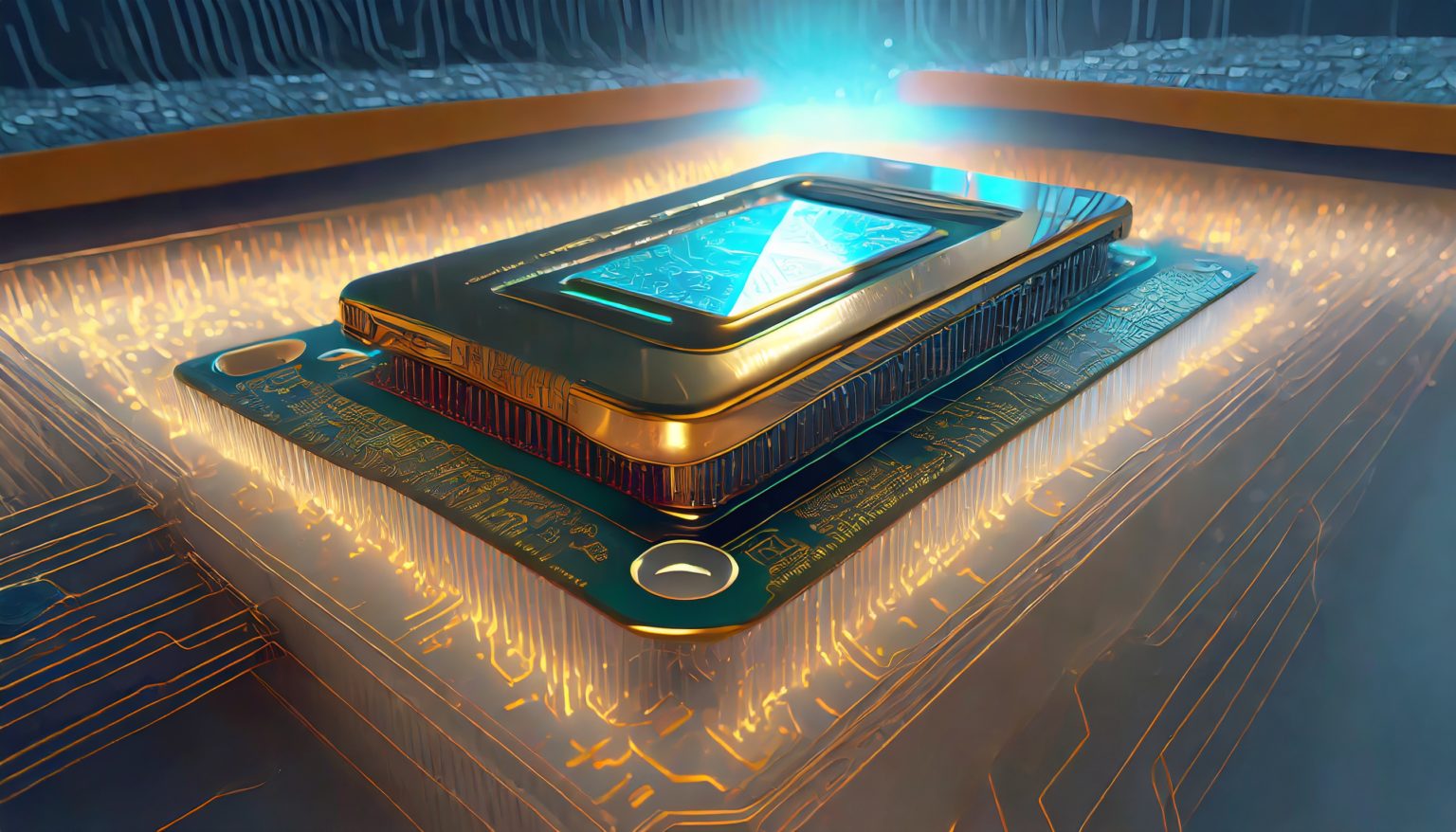
    Image Generated Using Adobe Firefly


    Several companies have established themselves as prominent mobile System-On-A-Chip (SoC) technology players. The landscape is characterized by intense competition and rapid innovation, leading to the continuous evolution of SoC capabilities.

    Some of the leading SoC vendors that are competing to capture a share of the mobile market are:

    Qualcomm: Known for its Snapdragon series, Qualcomm is a significant player in the mobile SoC market. Its SoCs are renowned for their performance, energy efficiency, and integration of advanced features like 5G connectivity and AI capabilities.

    Apple: Apple’s custom SoCs, such as the A-series used in iPhones and iPads, are highly regarded for their performance and efficiency. Apple’s control over hardware and software allows for optimized integration, resulting in impressive computational capabilities.

    Samsung: Samsung Electronics, with its Exynos line of SoCs, is a key competitor in the market. These SoCs are used in various Samsung mobile devices and are known for integrating custom CPU and GPU cores.

    MediaTek: MediaTek has gained significant market share, especially in the mid-range and budget segments. Its Helio and Dimensity series of SoCs balance performance and cost-effectiveness, making them popular among various smartphone manufacturers.

    Huawei: Through its HiSilicon division, Huawei produces the Kirin series of SoCs. These chips are primarily used in Huawei’s range of smartphones and are known for their AI processing capabilities and 5G technology.

    Google: Google has entered the SoC market with its custom Tensor chip, which powers its Pixel phones. The Tensor chip focuses on machine learning and AI tasks, leveraging Google’s expertise.

    These companies have contributed to advancing mobile SoC technology through unique strengths and innovations. The choice of SoC often depends on the specific requirements of the device, including performance needs, power efficiency, connectivity options, and cost constraints.


    Picture By Chetan Arvind Patil

    The future of mobile SoC technology is poised for significant advancements, driven by evolving consumer demands and technological innovations. As we look toward the end, several key trends and developments are likely to shape the trajectory of mobile SoC design and capabilities:

    Advanced Process Technologies: The progression towards smaller nanometer (nm) fabrication processes will continue. This evolution enables more transistors to be packed into the same space, enhancing performance and energy efficiency. Leading-edge process technologies like 3nm and beyond are to be adopted.

    AI And Machine Learning: Mobile SoCs will likely see increased integration of dedicated AI and machine learning hardware. It will enhance on-device processing for image and voice recognition, augmented reality (AR) experiences, and personalized user experiences.

    Next-Gen Graphic Processing: As mobile gaming and multimedia consumption grow, SoCs will integrate more powerful GPUs capable of supporting advanced graphics, high refresh rate displays, and improved AR/VR experiences.

    5G And Beyond: The integration of 5G connectivity will become standard in mobile SoCs, offering faster data speeds and lower latency. Future developments may focus on optimizing 5G performance and beginning the groundwork for 6G technology.

    Energy Efficiency And Battery Life: With the increasing demand for power from high-performance applications, energy efficiency remains a critical focus. Future SoCs must balance performance with power consumption to extend battery life.

    Custom And Specialized SoCs: Companies may increasingly develop custom SoCs tailored to specific device needs or market segments. This trend is already visible with companies like Apple and Google developing their chips.

    The future of mobile SoCs will be a blend of technological advancements and adaptations to changing user needs and global trends.

    The continual push for innovation in this space suggests an exciting and dynamic future for mobile computing technology.

  • The Circle Of Mobile Ecosystem

    The Circle Of Mobile Ecosystem

    Photo by Caspar Rubin on Unsplash

    On June 29, 2007, Apple introduced iPhone and with that it reinvented three markets: Mobile Hardware, Mobile Operating System and Mobile Apps, together called as Mobile Ecosystem. Almost one year after iPhone’s launch similar ecosystem was created by Google‘s Android. Since then, with combined market share of more than 95%, these two companies have destroyed almost all other Mobile OS ecosystems including Nokia’s Symbian, Microsoft’s Windows Mobile and RIM’s BlackBerry. After Nokia’s failed acquisition and rewriting millions of codes for touch devices, Microsoft is also getting its act together and is threatening Google and Apple in the mobile arena.

    It is important to understand where each of these three different mobile ecosystems are heading, and how it’s going to affect the market, where products from watches to cars are becoming smarter every year.

    Apple’s iOS:

    Apple is good at one thing: they know which hardware is required to the run software flawlessly. Using the past experience of hardware development, they have developed iPhone as the product to beat with the sleek UI and the ease with which developers can reach out to users who are always willing to pay for apps. Also, with sister products like Macbook, iMac, iPad and iWatch, it helps loyal Apple users to seamlessly move data across devices, which today is a big advantage with all the data and computation moving to cloud.

    However, the biggest problem with Apple’s iOS is the declining market share, which primarily is due to the fact that iOS can’t be used by other OEMs, and it is very unlikely that Apple will reinvent itself by pitching iOS to any OEMs. But nothing can be predicted, may be in near future Apple might find it interesting to acquire OnePlus to create a niche set of iPhones for emerging markets.

    So, it’s pretty clear that in order to increase mobile market share, Apple has to find better ways to get new users for iPhones. They tried this by launching low cost iPhone 5C, which hasn’t got much traction. Moving forward, Apple will keep introducing better iPhones for sure, but what they need to answer is how many new users can they add with each new launch, while retaining old customers?

    Google’s Android OS: 

    Google has done everything required to make Android a mass market product with the help of OEMs. Which has lead to wide adoption and also fierce competition. Since, Android development occurs internally before it’s open sourced, the time to get new versions out by OEMs differ and sometimes many Android smartphones see end of support well before time. So, there is always a question mark on whether the Android smartphone being launched, will be supported with future Android versions or not. This basic flaw has contributed to what is termed as Android fragmentation, apart from creating security loopholes due to the lack of on the go software patches.

    This frustration lead to many Android forks, with CyanogenMod being the most popular one, but unfortunately had to terminate the project. Just having a better forked version of Android is not they way to dominate market, as Google pitches Android with Google Mobile Services, the pre-installed apps that are door to Play Store and many other useful services, and creating these services from scratch is not an easy task. Amazon has done it, but it with failed Fire Phone, its app store still relies on Android.

    For sure, Android OS is going to be the leader in mobile space for long, but it has to tackle the biggest problem of fragmentation. Solution to which is yet to be proposed, but can be done by forming developer teams from different OEMs, and helping them with new OS features while it’s being developed at Google internally, similar to how Linux Kernel development occurs. This to some extent will bring down the time to provide new Android versions, and will also help Google by providing regular security patches.

    By launching Pixel phones, Google is in no way trying to be competitor to OEMs. Google’s major revenue stream is from search and advertisement and to better project services around these, it has to showcase it by having control over set of hardwares running latest Android OS. With Pixel line of devices, it can also test new products-solutions quickly and can ensure that other OEMs are bringing better hardware by setting Pixel as a benchmark.

    In future, better Android versions will keep coming, but the bigger picture is how will non-Pixel users get hold of latest versions before the new one is out. Even today, OEMs like Samsung, Motorola, HTC and others, have good hold over smartphone market as they cater to users with different needs. What they need is ability to push new features of Android as quickly as possible which will go long way in retaining users.

    Microsoft’s Windows 10 Mobile:

    Windows Mobile was the leader in touch smartphones, but with iOS and Android it just couldn’t keep pace with the expectations. But after redrawing Windows OS from scratch for both keyboard and touch based devices, it has positioned it self as a serious competitor in smartphone domain. We are yet to see Surface smartphones with Windows 10 Mobile, but it won’t be long before Microsoft has one. With Surface phone, Microsoft will have full range of products from laptops, desktops, pads, smartphones to VR, similar to Apple and Google line of products.

    But, the biggest challenge for Microsoft with Windows 10 Mobile, is the app ecosystem and lack of OEMs. Though, it has also done lot of work to help developers write apps for Windows without rewriting the code developed for Android and iOS, developers still don’t think Windows 10 Mobile as the place to push apps to. Surely, they have got their act together in terms of hardware and right software, but to get developers to push apps for Windows Store first, it needs to be more open, innovative and should have large user base. This can only be done if they can get Surface phones and other OEMs, to consider Windows 10 Mobile as a serious alternative to Android. They have done it before with stylus based smartphones, they can surely to this time around with touch based devices, considering how aggressive they have been since last couple of years.

    Windows 10 Mobile will surely appeal to enterprise, as RIM is out of the market. By leveraging productivity apps like Office, Outlook and other cloud services, Microsoft can reinvent this space. Also, Microsoft is the only company with they ability to port its OS to any device, and support it for longer duration of time irrespective of which OEM is running it. If they can do this with Windows 10 Mobile, I think it can give Google a strong competition until it finds solution to Android fragmentation.

    So, Where Is Mobile Ecosystem Heading?

    It’s a difficult question to answer, but each of the above three companies have their own set of problems to solve. Apple needs to extend iPhone user base, Android has to solve fragmentation issue, and Microsoft needs OEMs for mobile devices.

    But two things are for sure: First, software developers will keep on finding new users to whom they can reach out to via different app stores, but they need to keep bringing best ideas forward, as retaining user and getting them to install new apps is getting difficult. Second, hardware manufacturers will have to up ante to cater to people looking for better smart devices which are supported for longer period of time.

    On the other hand, open source enthusiasts will keep forking Android, and may find a way to create their ecosystem for apps. Whatever happens, it’s going to be an exciting journey for both software and hardware developers.

    People who are really serious about software should make their own hardware — Alan Kay